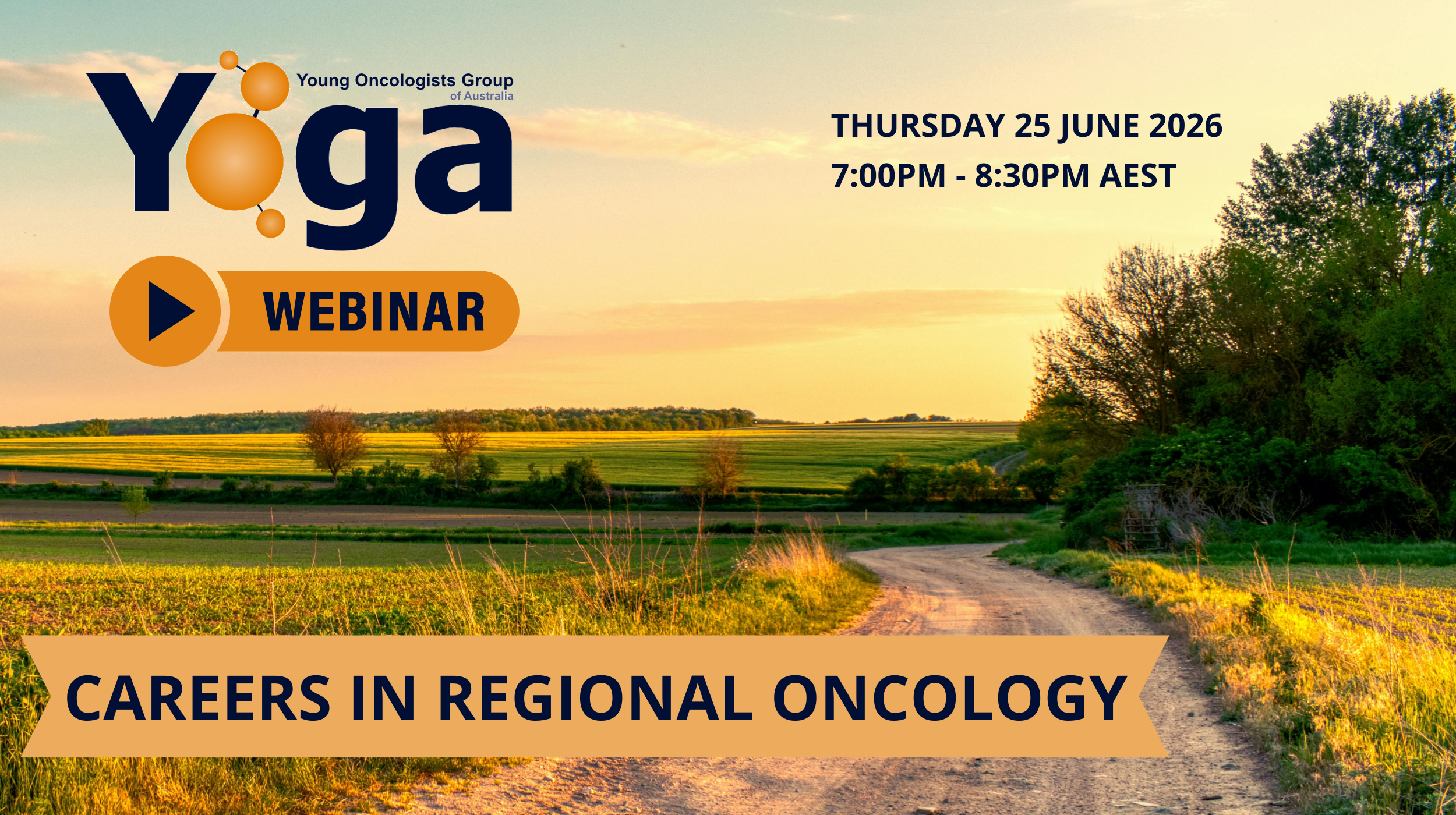
Careers in Regional Oncology Webinar
📅 Date: Thursday 25 June 2026
💻 Format: Webinar
⏰ Time: 7.00pm – 8.30pm AEST (90 minutes)
program objectives
This interactive session aims to not only highlight career pathways in regional oncology, but also create a forum for open discussion, learning from advanced trainees and early-career oncologists about their perspectives and needs, while sharing insights from clinicians currently working in regional practice.
Target Audience
This invitation is extended to all MOGA members; however, the session content has been specifically designed for trainees and early-career oncologists who are interested in exploring career pathways and opportunities in regional oncology practice. Senior members and colleagues with an interest in workforce development and regional cancer care are also warmly encouraged to attend and contribute to the discussion.
Not a member yet? Join now to secure your spot.

program
7:00pm
Welcome and Introduction
Host: Prof Matthew Links
7:05pm
Pathways into Regional Oncology
Presenter: Dr Andrew Jensen
Topics include:
Transition from Fellowship to Regional Roles, Training Considerations
Job Opportunities and Recruitment Process
What Regional Centres Look for and Interview Tips
Practical Aspects of Moving Regionally
7:25pm
Building a Sustainable Regional Career
Presenter: Dr Craig Underhill
Topics include:
Maintaining Clinical Skills and Subspecialty Interest
Mentorship and Networking
Research, Collaboration and Long-Term Career Progression
7:45pm
Panel Discussion
Panelists: Prof Sabe Sabesan, Dr Patricia Bastick, Dr Wei-Sen Lam, and Dr Danielle Klingberg
Life And Practice as a Regional Oncologist
Day-To-Day Clinical Practice
Public/Private/Academic Mix
Work-Life Balance and Community Integration
Fly-In-Fly-Out Models
Barriers And Enablers to Regional Practice
What Attracts Trainees to Regional Oncology?
What are the Main Barriers?
Family/Social Considerations
Training and subspecialty concerns
Leave cover and workforce support
What support would make regional practice more feasible or appealing?
What programs or initiatives should MOGA prioritise?
8:25pm
Q&A and Closing Remarks

Host

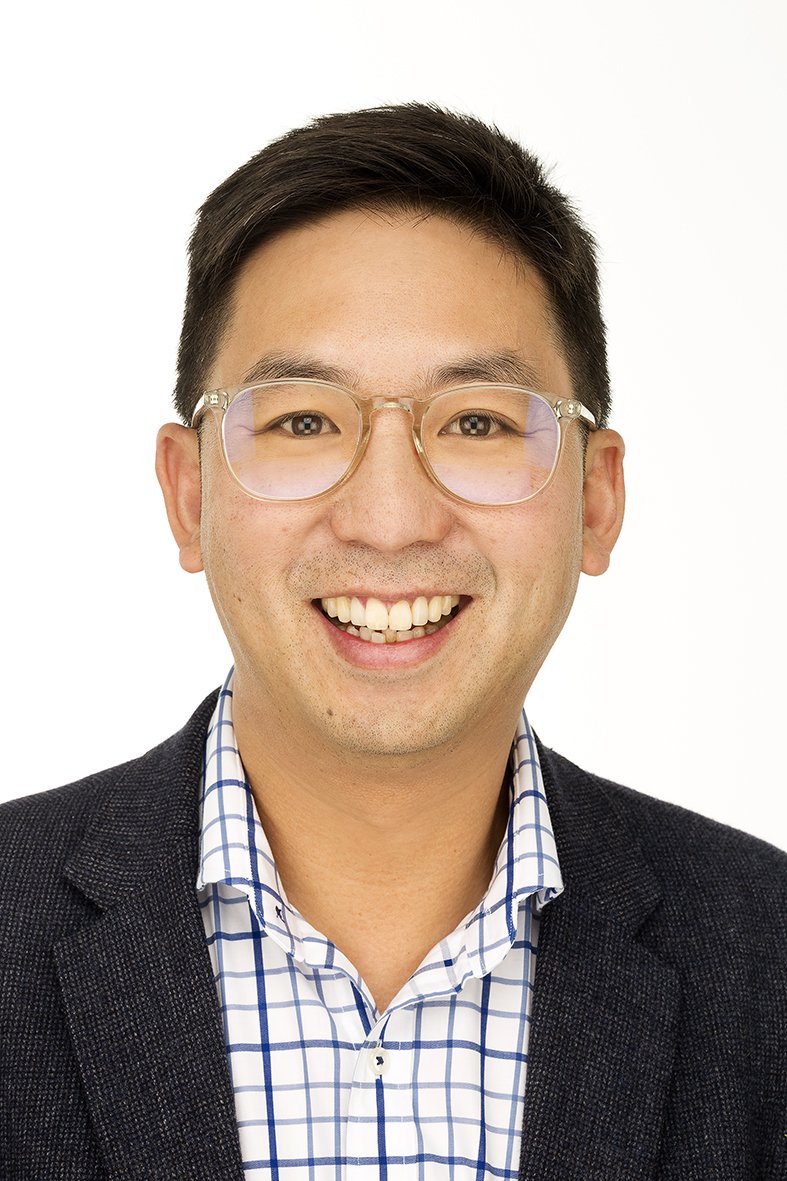


Dr Andrew Jensen, Medical Oncologist, Western Cancer Centre Dubbo
Andrew is a medical oncologist at the Western Cancer Centre Dubbo in NSW with a special interest in genitourinary and thoracic cancers. He is also the clinical lead for oncology trials in the same unit with the goal of bringing more equitable trial access to the regional and rural patients in western NSW.
Presenters
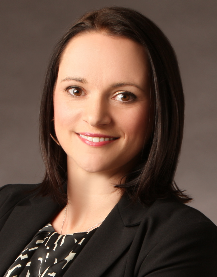
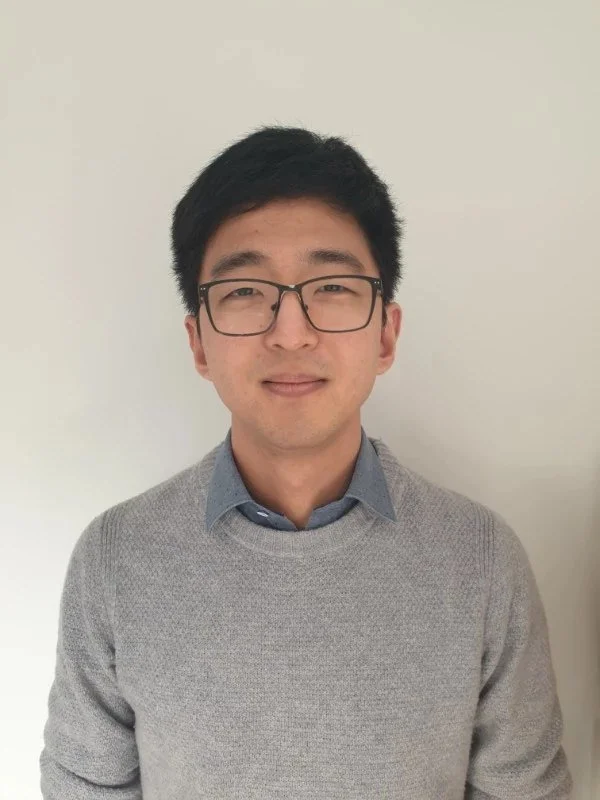
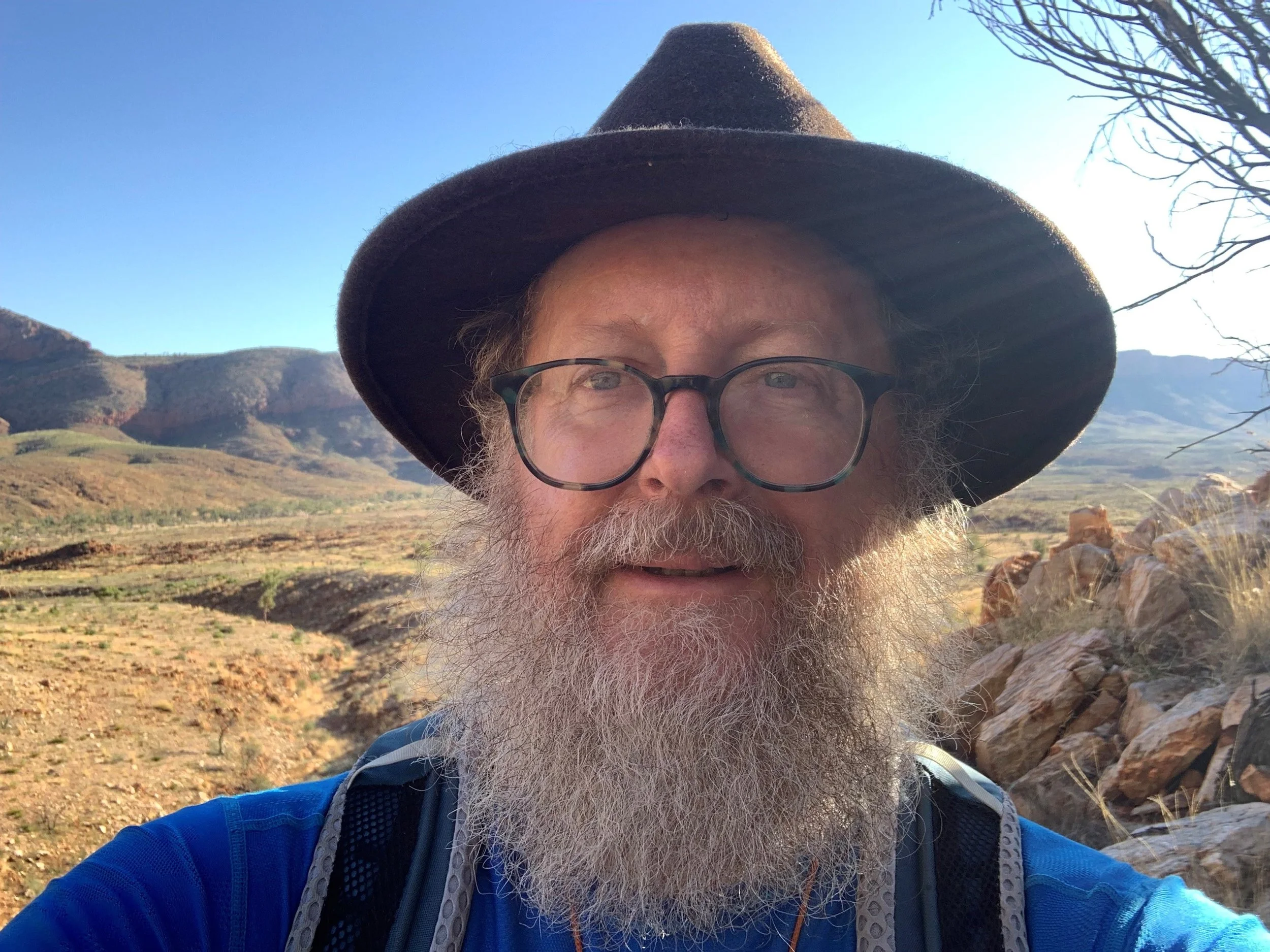
Prof Matthew Links, Medical Oncologist, Alice Springs Hospital, Clinical Cancer Lead Central Australia, Honorary Adjunct Professor, Bond University, Gold Coast
Matthew has had a varied career in Medical Oncology over the last 30 years. He did a pharmacology PhD and a MedEd MPhil. He worked as a staff specialist at St George Hospital, ran a lab and the clinical trials unit and ended up as Head of Medical Oncology. He then took a sea change and moved to the Gold Coast as Director of Clinical Training and Professor of Medical Education. He then moved to Bond University and for four years was a FIFO MEDONC to Alice Springs, where he now lives and works. He has two major research grants to improve remote and Indigenous oncology. He is well positioned to comment on the advantages of a career in regional and remote oncology.
Dr Patricia Bastick, Statewide Clinical Lead – Cancer Services - Tasmanian Dept of Health
Dr Patti Bastick is a Medical Oncologist with subspecialty interests in breast and genitourinary cancers. She is the current Statewide Clinical Lead for Cancer Services in Tasmania, leading the development and delivery of the 10-year Tasmanian Cancer Plan. Patti is also a Director of St George Oncology Associates and has extensive experience in clinical governance, digital health, and clinical trials, having participated in more than 60 international phase I–III studies over the past 15 years.
Dr Wei-Sen Lam, Fiona Stanley Hospital and Esperance Hospital
Adjunct Associate Professor Wei-Sen Lam is a Medical Oncologist at Fiona Stanley Hospital and Esperance Hospital. A/Professor Lam has several leadership roles including Cancer Service Lead, Department of Health WA, Head of Service of Medical Oncology at Fiona Stanley Hospital, Clinical Lead for the WA Country Health Service Trial Centre, Clinical Lead for the South Metropolitan Health Service Cancer Plan and Board Member of Cancer Council WA. He previously served as Co-Chair of the WA Cancer Oncology Group and Clinical Oncology Society of Australia (COSA) Regional and Rural Executive Chair and Director of Medical Oncology at WA Country Health Service.
Prof Sabe Sabesan, Senior Medical Oncologist, Townsville Cancer Centre and Clinical Dean, JCU
Author of “Inner peace, Outer peace and Getting things done” that covers insights he gained from advocating for teleoncology models of care for health equity. As the current COSA president, his advocacy focus is healthy workplace culture as the foundation for wellbeing and health equity.
Prof Craig Underhill, Conjoint Associate Professor University of NSW Rural Clinical School Albury
Craig Underhill is a medical oncologist and health services researcher in Albury Wodonga, where he helped establish the medical oncology service and clinical trials unit in 1998. He is appointed as Conjoint Associate Professor University of NSW Rural Clinical School Albury, Adjunct Professor The John Richards Centre for Rural Ageing Research, Latrobe University and Honorary Research Fellow Peter MacCallum Cancer Institute. His research interests include improving equity of access to cancer care for regional Australians and the use of telehealth to improve access to clinical trials.
Dr Danielle Klingberg, Medical Oncologist, Central West Cancer Care Centre
Dr Klingberg is a highly trained oncologist dedicated to providing compassionate and personalised care to patients facing a cancer diagnosis. They understand that a cancer journey can be challenging and strive to create a supportive environment where patients feel heard and understood. Dr Klingberg's approach to treatment prioritises evidence-based medicine and utilises the latest advancements in oncology. They believe in empowering patients with knowledge about their condition and treatment options so they can make informed decisions about their care.
Join today and take advantage of members’ only benefits